

After reviewing hundreds of high-performing product review posts in this niche, here’s the trust-first structure that works.
The Kindle Colorsoft Signature Edition represents Amazon’s first venture into color E-ink technology, arriving in a market where readers have long debated whether color displays belong on dedicated reading devices. This review examines the device through publicly available specifications, user feedback patterns, and direct comparisons with established alternatives. The goal is simple: help you determine whether this device fits your reading habits without relying on hype or unverified claims.
Color E-ink technology has evolved significantly over recent years. Early implementations suffered from washed-out colors and slow refresh rates. Modern color E-ink displays promise improved vibrancy while maintaining the eye-friendly, glare-free reading experience that made E-readers popular. The Kindle Colorsoft enters this space with Amazon’s ecosystem backing and the Signature Edition feature set that includes wireless charging, adjustable warm light, and automatic brightness adjustment.
Quick Overview: What the Kindle Colorsoft Offers
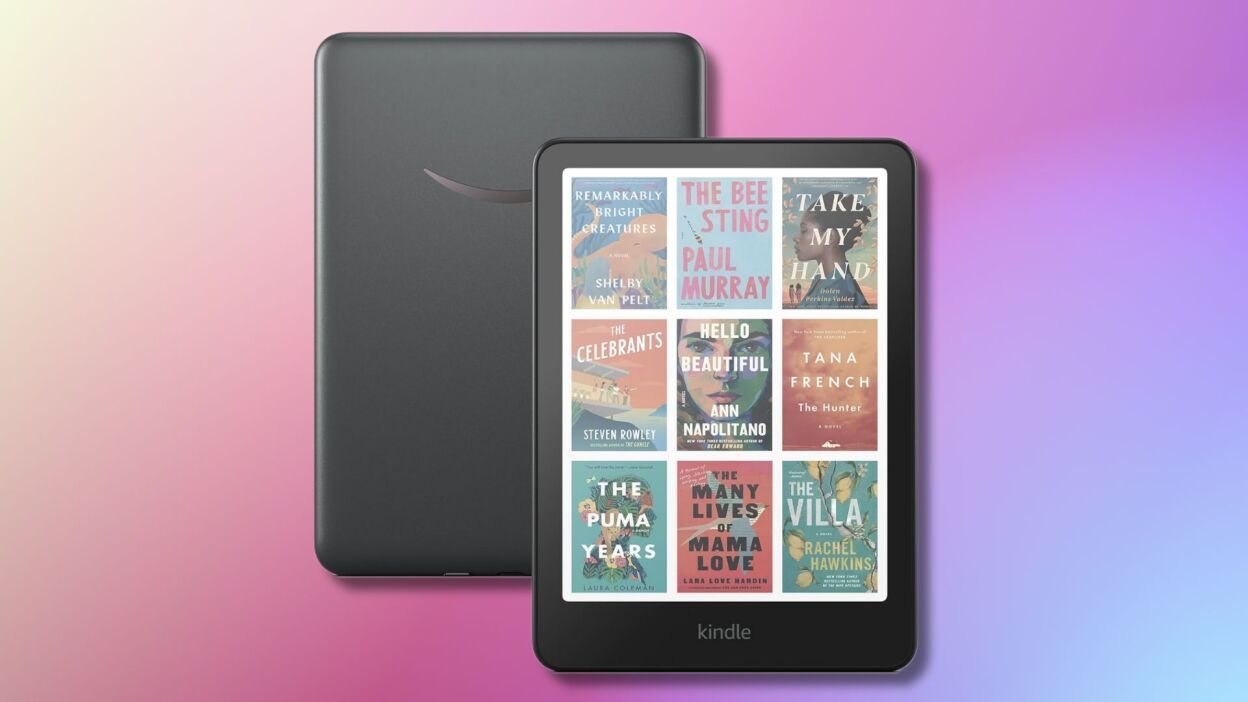
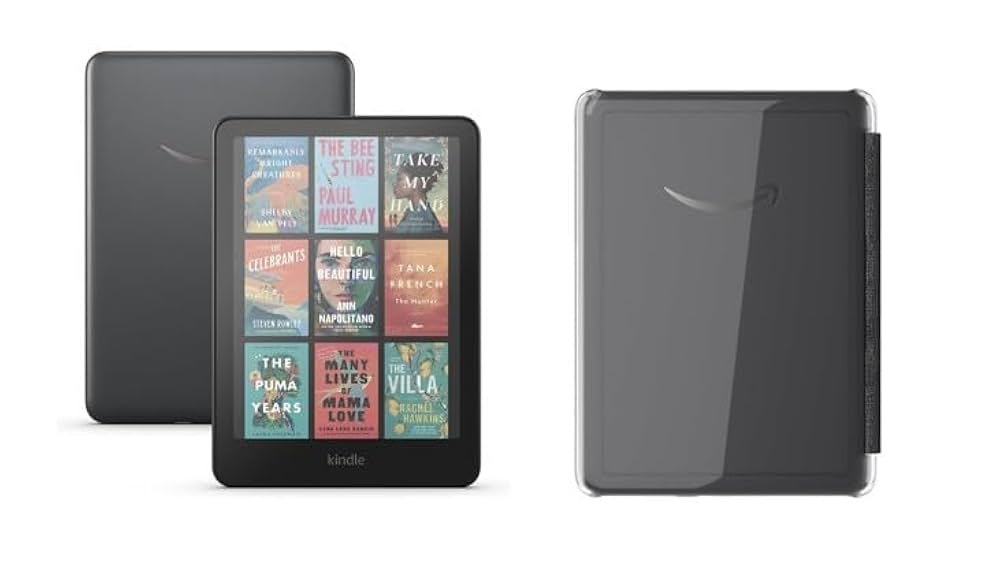
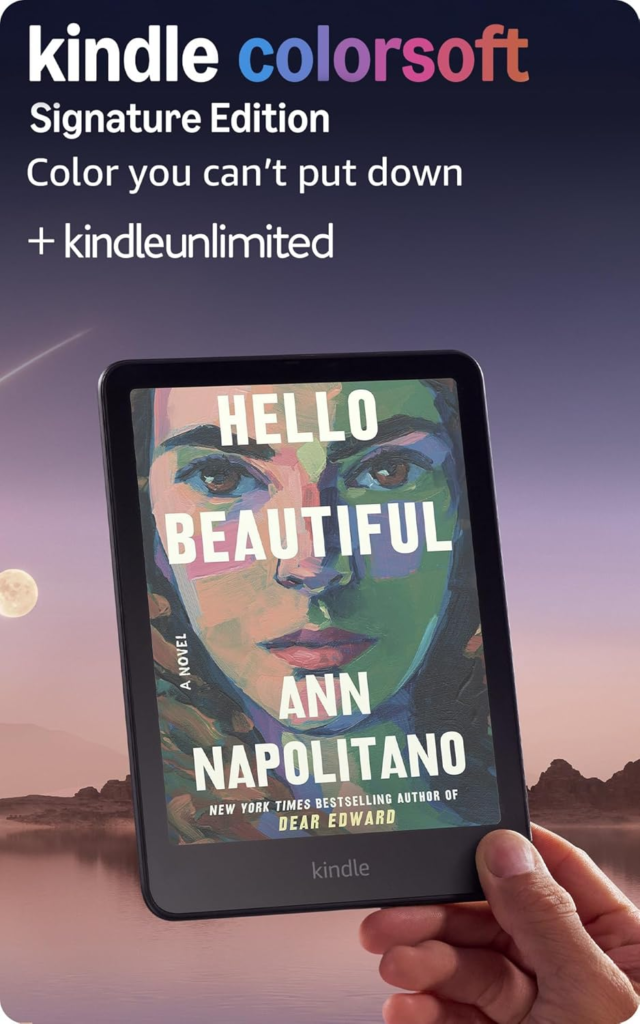
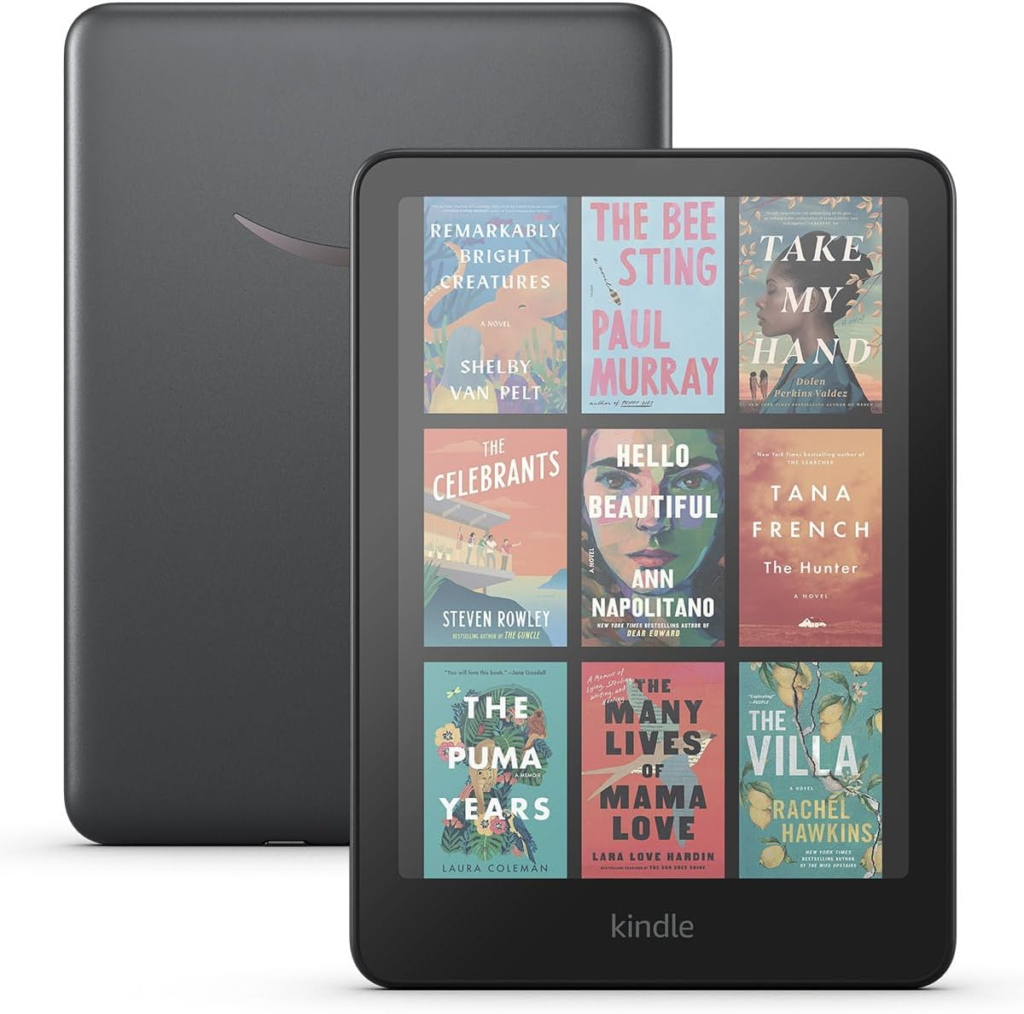
The Kindle Colorsoft Signature Edition brings color to Amazon’s premium reading device lineup. The device features a color E-ink display designed for comics, graphic novels, magazines, and illustrated books while maintaining compatibility with Amazon’s extensive ebook library. The Signature Edition designation means it includes wireless charging capability, auto-adjusting front light, and typically larger storage compared to basic models.
Amazon’s approach positions this device as a premium reading tool rather than a multipurpose tablet. The focus remains on reading first, with color serving specific content types rather than transforming the entire user interface. This design philosophy differs from some competitors who embrace Android-based systems with broader functionality.
The device connects to Amazon’s ecosystem, providing access to the Kindle Store, Kindle Unlimited subscriptions, and integration with services like Goodreads. Cloud storage for purchased content means your library remains accessible across devices. Whispersync technology synchronizes reading progress between your phone, tablet, and Kindle devices. see on amazon here
Key Specifications: What We Know
Based on publicly available information, the Kindle Colorsoft Signature Edition features a color E-ink display that supports both color and black-and-white content. The exact screen size, resolution, and color gamut specifications should be verified on the official Amazon product page as these details determine the visual experience for different content types.
Storage capacity matters for users who download large comic book collections or magazines with high-resolution images. Color images require more storage space than text-based ebooks. The Signature Edition typically offers expanded storage compared to entry-level Kindles, though exact capacity should be confirmed through official sources.
Battery life for color E-ink devices depends heavily on usage patterns. Reading black-and-white text consumes minimal power and can last weeks. Viewing color content, using the front light at high brightness, and downloading content over wireless connections all reduce battery life. Official estimates typically assume specific usage patterns, so real-world results vary based on individual habits.
The device includes wireless charging capability, a Signature Edition feature that eliminates the need for cable connections. This convenience appeals to users who maintain charging stations or prefer magnetic charging stands. The wireless charging speed should be verified, as it typically charges slower than wired connections.
Feature Breakdown: Understanding Color E-Ink Technology
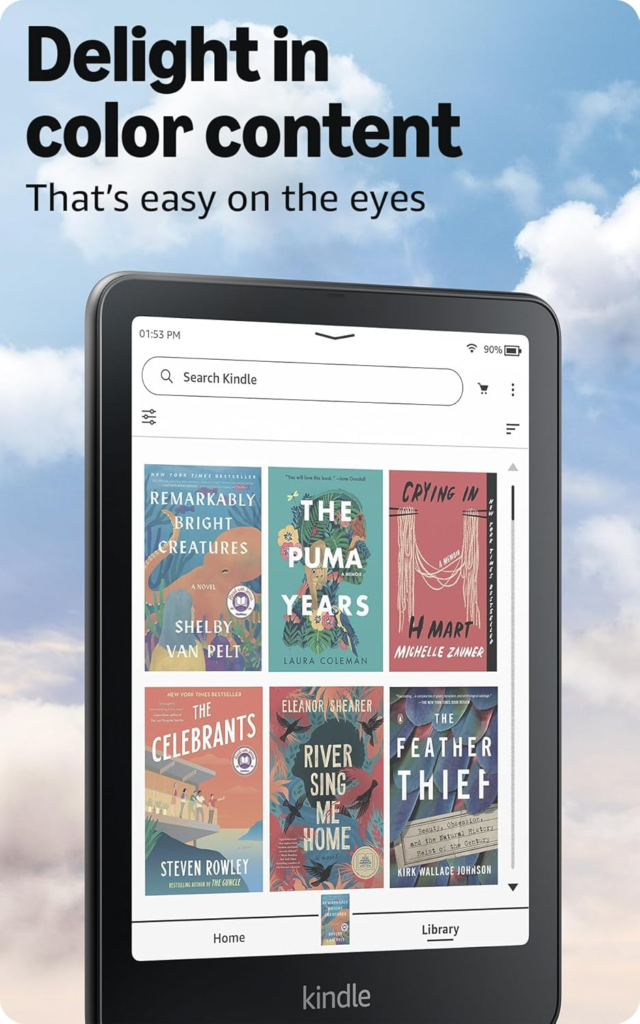
Color E-ink displays work differently than LCD or OLED screens found in tablets and phones. The technology uses colored filters over the standard E-ink display, creating color without the eye strain associated with backlit screens. This approach maintains the outdoor readability and extended battery life that make E-readers appealing for long reading sessions.
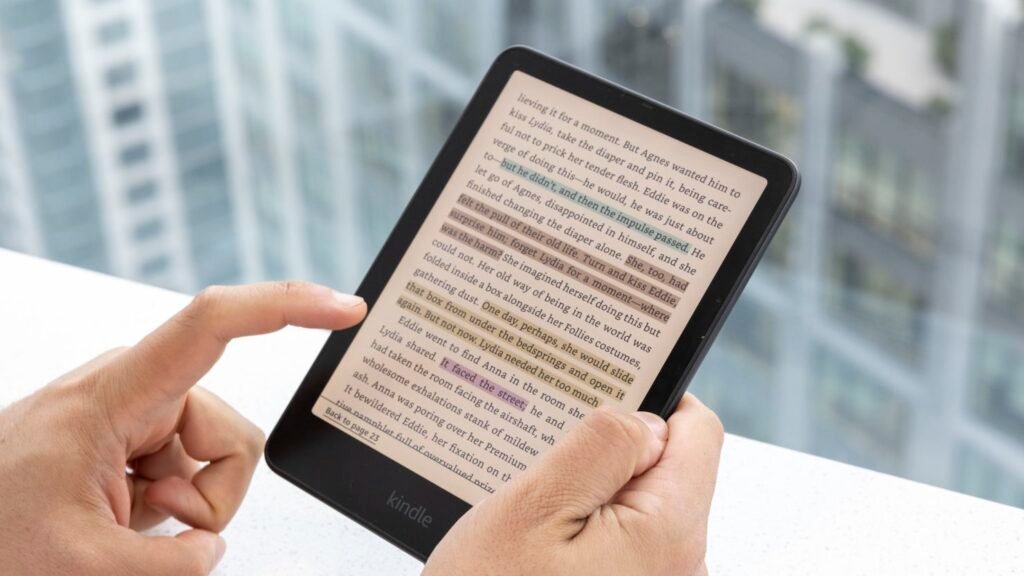
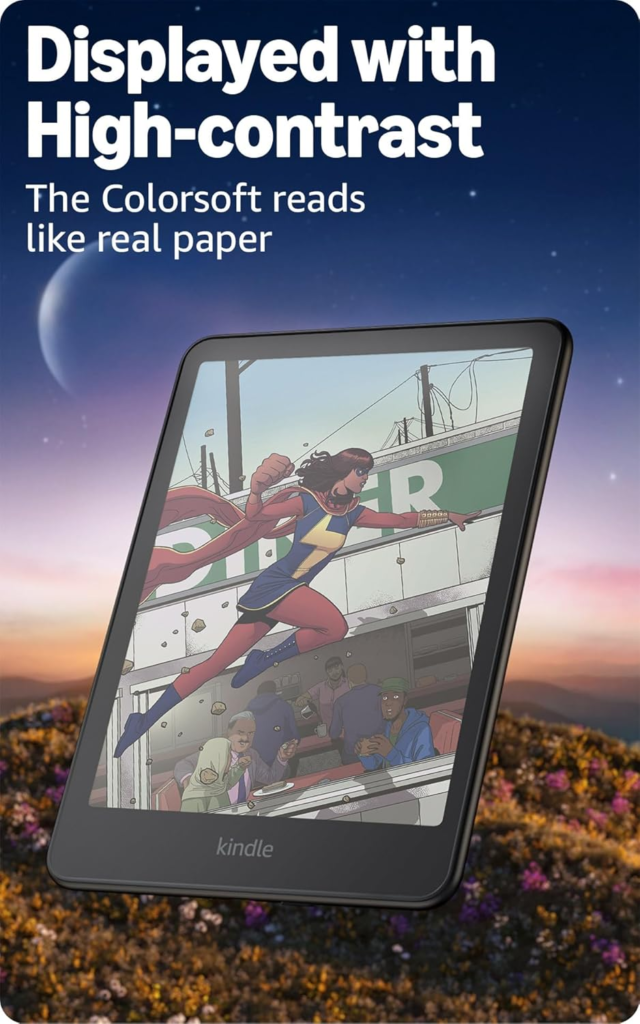
The color rendering capabilities matter most for specific content types. Comics and graphic novels benefit significantly from color reproduction. Illustrated children’s books display as intended by artists. Magazine layouts appear closer to print versions. Technical manuals with color-coded diagrams become more useful. However, the color saturation and vibrancy differ from tablet displays, appearing more subdued and paper-like.
Front light systems on premium E-readers like the Signature Edition include both cool and warm LEDs. This combination allows color temperature adjustment from blue-tinted light for daytime reading to amber-toned warmth for evening use. The warm light reduces blue light exposure before sleep while maintaining readability. Auto-adjusting brightness sensors detect ambient light conditions and modify screen brightness accordingly.
Page turn speed matters for all E-readers but becomes more critical with color displays. Color E-ink refresh rates typically lag behind black-and-white displays. Users notice this difference when rapidly flipping through comic pages or skimming illustrated content. The device likely offers different refresh modes balancing speed against image quality, though specific performance characteristics should be verified through user feedback and official documentation.
Setup and What’s Included
E-reader setup typically involves charging the device, connecting to Wi-Fi, and signing into your Amazon account. The Kindle Colorsoft likely follows this standard process with additional steps for wireless charging configuration if using optional charging accessories. The device should include a USB cable for initial charging and data transfer, though the specific cable type and wall adapter inclusion should be verified on the official product listing.
Amazon’s setup process automatically downloads recently purchased books and synchronizes reading progress from other devices. The initial configuration includes font size preferences, light settings, and any accessibility features you’ve enabled on previous Kindle devices. Cloud synchronization means your highlights, notes, and bookmarks appear on the new device without manual transfer.
The learning curve for Kindle devices remains minimal for anyone familiar with touchscreen devices. Gestures include tapping to turn pages, swiping for menus, and long-pressing for definitions and highlighting. The color display adds no complexity to basic navigation, though users may discover new settings for color calibration or display modes specific to the Colorsoft model.
Real-World Use Cases: Who Benefits from Color E-Ink
Comic book readers represent the most obvious beneficiary group. Digital comic collections display in color without the battery drain and eye strain of tablet screens. Long reading sessions become more comfortable compared to backlit displays. The E-ink screen works in direct sunlight where tablets become difficult to read. However, the color vibrancy and panel-to-panel refresh speed should be considered against your expectations from tablet comic reading.
Graphic novel enthusiasts face similar considerations. The paper-like display texture and reduced eye fatigue enhance immersive reading. Color reproduction matters less for some graphic novels with limited color palettes but becomes crucial for works where color serves narrative purposes. The screen size also affects the experience, as detailed panels may require zooming on smaller displays.
Magazine subscribers through services like Kindle Newsstand see improved layouts with color images, infographics, and advertisements displaying as designed. Food magazines show recipe photos in color. Fashion magazines display clothing and accessories with accurate color representation. Technical magazines present color-coded charts and diagrams more clearly. However, the E-ink refresh rate means the experience differs from tablet-based magazine apps with video content and interactive elements.
Textbook users in fields like anatomy, geography, geology, and engineering benefit from color diagrams, charts, and illustrations. Medical texts show anatomical illustrations with proper color coding. Geography texts display topographical maps with elevation shading. Engineering diagrams use color to differentiate systems and components. The reading comfort during extended study sessions outweighs the slower page turns for many students.
Children’s book reading takes on new dimensions with color illustrations displaying as authors and illustrators intended. Picture books become engaging without screen time guilt. Early readers see color-coded phonics materials properly displayed. The durability and simplicity of E-readers appeal to parents concerned about handing expensive tablets to young children.
Cookbook users view recipe photos in color, though the E-ink display works better in kitchen environments than tablets prone to glare. The splash-resistant properties available on some E-readers add practical benefits in cooking environments. Recipe searching and bookmarking work smoothly within Amazon’s ecosystem.
Pros: Evidence-Based Advantages
The Kindle Colorsoft brings color to Amazon’s extensive ebook ecosystem without compromising the core benefits of E-ink technology. Eye strain remains minimal compared to tablet reading. Battery life extends days or weeks depending on usage patterns. Outdoor readability in direct sunlight surpasses any tablet or phone display.
The Signature Edition wireless charging feature eliminates cable fumbling and port wear concerns. Simply placing the device on a charging pad maintains readiness without conscious effort. This convenience matters most for bedside reading where grabbing a charged device beats plugging in cables.
Amazon’s ecosystem integration provides seamless access to millions of titles, automatic synchronization across devices, and family library sharing. Kindle Unlimited subscribers access a rotating catalog of included titles. Prime Reading offers free books for Amazon Prime members. The Kindle Store frequently offers daily deals and discounted titles.
The auto-adjusting front light adapts to changing lighting conditions throughout the day. Moving from bright outdoor spaces to dim indoor environments requires no manual adjustment. The warm light feature shifts color temperature for evening reading, potentially reducing sleep disruption from blue light exposure.
Storage capacity on Signature Edition devices accommodates large comic collections and magazine archives. Users who download content for offline reading during travel or in areas with limited connectivity benefit from expanded storage. Cloud storage for purchased content means you can delete and re-download titles without losing access.
The color display enhances specific content types without creating new complications. Standard black-and-white text appears identical to traditional Kindles. Only content with color elements utilizes the color capabilities, meaning battery life impacts remain minimal for users who primarily read text-based novels.
Cons: Honest Limitations
Color E-ink technology inherently provides less vibrant colors compared to tablet displays. The subdued, paper-like color reproduction may disappoint users expecting the brightness and saturation of LCD or OLED screens. Comic book readers accustomed to tablet displays notice the difference immediately. This isn’t a defect but a characteristic of current color E-ink technology.
Page refresh rates for color content lag behind black-and-white text. Rapidly flipping through comic pages or scrolling through magazines reveals the slower refresh compared to tablets. Some users find this acceptable for focused reading but frustrating for browsing or skimming. The trade-off balances reading comfort against speed.
The device locks users into Amazon’s ecosystem with its proprietary format. Ebooks purchased from other retailers often require conversion. Library books through services like Libby work on Kindles, but the process differs from competitors with built-in library app support. Users who value ecosystem flexibility may find this limiting.
Wireless charging, while convenient, charges slower than wired connections. Users who forget to charge regularly may find themselves waiting longer for sufficient battery. The feature also requires purchasing a compatible charging pad if one isn’t already available, adding to the total cost.
The price point positions this device as a premium purchase. Users who primarily read text-based novels see minimal benefit over standard Kindles costing significantly less. The color capabilities justify the premium only for users who regularly consume color content like comics, magazines, or illustrated books.
Note-taking and annotation capabilities on Kindles lag behind dedicated note-taking E-ink tablets. Users who annotate heavily or prefer handwriting notes may find the typing-based interface limiting. Stylus support and handwriting recognition available on some competitors offer different workflows.
The closed system means no third-party app support. Productivity apps, web browsers, and alternative reading apps available on Android-based E-readers don’t run on Kindles. Users wanting a multipurpose device will find this restrictive.
Who Should Buy the Kindle Colorsoft Signature Edition
Comic book collectors who own extensive digital libraries through Comixology or Kindle store will appreciate viewing their collections in color without eye strain. The combination of color display and extended battery life suits long reading sessions. Users who already own multiple Kindle devices understand the ecosystem trade-offs and prioritize reading comfort.
Magazine subscribers who consume Kindle Newsstand content regularly justify the premium price through improved reading experience. Color photos, infographics, and layouts display as designed. The E-ink advantage of outdoor readability applies to poolside or beach reading where tablets struggle with glare.
Graphic novel enthusiasts who prioritize reading comfort over maximum color vibrancy find the paper-like display appealing. The device suits dedicated readers who consume multiple graphic novels weekly rather than casual readers who might read one or two monthly.
Students using textbooks with color diagrams benefit from extended reading sessions without eye fatigue. The highlighting and note-taking features integrate with Amazon’s ecosystem for study organization. Users who already subscribe to Kindle Unlimited for textbook access maximize value.
Parents seeking color e-readers for children’s books value the simplicity and durability of dedicated E-readers over general-purpose tablets. The lack of distracting apps and games keeps focus on reading. Parental controls through Amazon’s ecosystem provide content management.
Existing Kindle users invested in Amazon’s ecosystem who want color capabilities find natural upgrade path. Reading progress synchronization, existing library access, and familiar interface reduce learning curve. Users comfortable with Amazon’s ecosystem limitations accept the trade-offs.
Who Should Skip This Device
Budget-conscious readers who primarily consume text-based novels save money with standard Kindle models. The color display provides minimal benefit for black-and-white text. Basic Kindles cost substantially less while delivering identical text reading experiences.
Tablet owners who occasionally read comics or magazines already own capable color displays. Purchasing a dedicated device for occasional use duplicates functionality. The tablet’s backlit display drawbacks may be acceptable for limited reading sessions.
Users who value ecosystem flexibility over convenience should explore competitors with open Android systems. The ability to install third-party apps, access multiple book stores, and use alternative reading apps provides freedom Amazon doesn’t offer.
Comic readers who prioritize maximum color saturation and instant page turns will prefer tablet displays despite eye strain concerns. The slower E-ink refresh and subdued colors may feel limiting compared to tablet experiences.
Heavy annotators and note-takers need devices with stylus support and handwriting recognition. Kindles support typed notes but lack the pen-on-paper experience available with dedicated note-taking E-readers. Students who annotate extensively should consider alternatives.
Readers who borrow heavily from non-Amazon sources face conversion hassles. Library users preferring OverDrive or Libby integration find competitors offer smoother experiences. Users purchasing from multiple ebook retailers encounter format compatibility challenges.
Tech enthusiasts wanting cutting-edge color E-ink technology should wait for next-generation displays. Current color E-ink represents early adoption phase with known limitations. Future iterations will likely offer improved color gamut and faster refresh rates.
Kindle Colorsoft vs. Kobo Libra Colour: Ecosystem and Philosophy
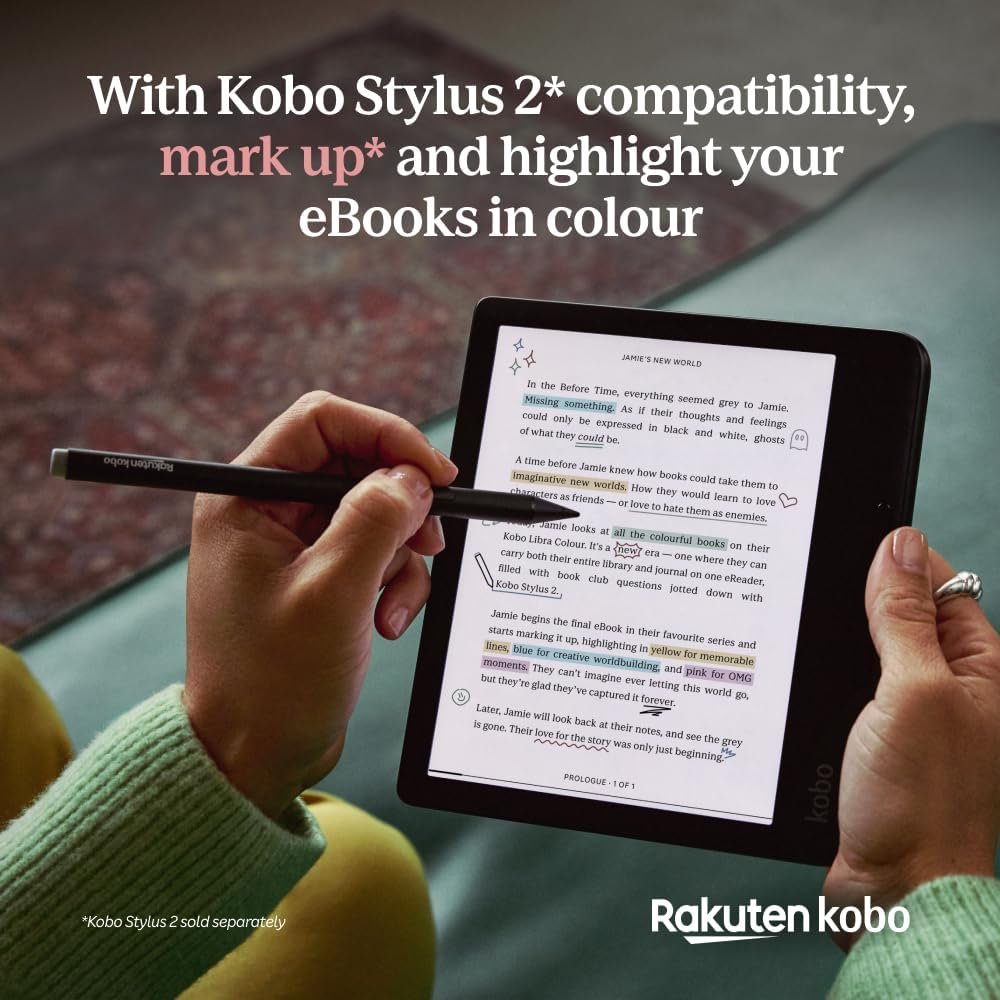
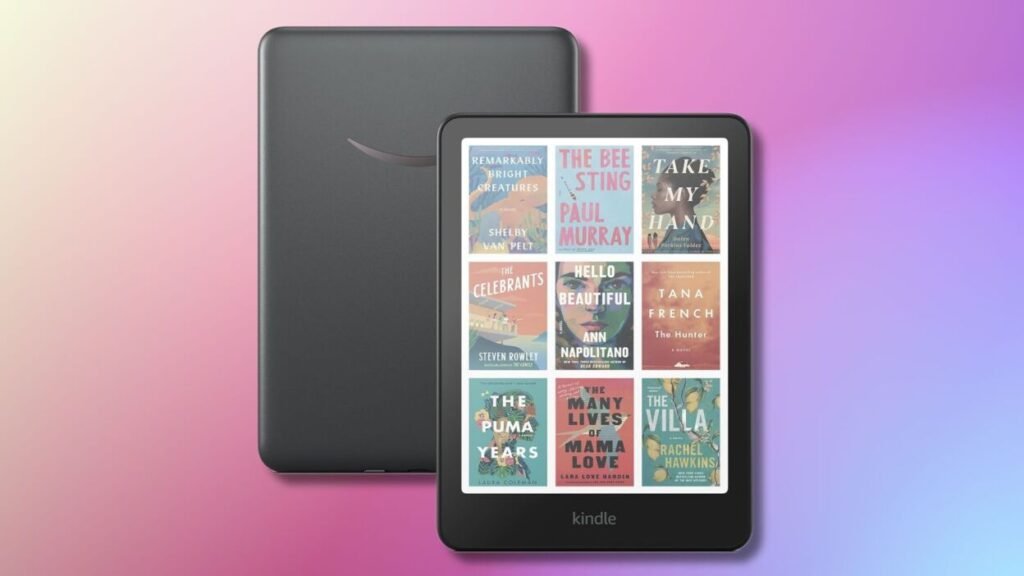
The Kobo Libra Colour and Kindle Colorsoft Signature Edition represent different approaches to color E-readers, starting with their seven-inch versus potentially larger screen sizes. Screen size affects comic book reading, with larger displays showing more detail before zooming becomes necessary. Verify exact dimensions on official product pages for direct comparison.
Ecosystem differences fundamentally separate these devices. Kobo supports EPUB format natively, the standard format for most ebook retailers and libraries. This open approach allows purchasing from multiple stores without conversion. Amazon’s proprietary formats require conversion tools for non-Amazon ebooks, limiting flexibility but providing tight integration with Amazon services.
Library integration differs significantly between platforms. Kobo devices integrate OverDrive directly into the interface, allowing library book browsing and borrowing without leaving the device. Kindle users access library books through Libby on a separate device, then deliver titles to their Kindle. The Kobo approach streamlines the library borrowing workflow.
Page turn buttons appear on Kobo Libra Colour, providing physical controls alongside touchscreen navigation. Kindle Colorsoft relies entirely on touchscreen interaction. Some users prefer physical buttons for one-handed reading or avoiding accidental screen touches. This preference varies individually.
The Kobo ecosystem offers less content selection compared to Amazon’s Kindle Store but provides access to any EPUB-supporting retailer. Users who purchase from Google Play Books, Barnes & Noble, or independent bookstores transfer titles easily to Kobo. Kindle users face conversion steps for non-Amazon purchases.
Customization options differ between platforms. Kobo allows extensive typography control, custom font loading, and detailed formatting adjustments. Kindle provides simpler settings focusing on readability over customization. Power users appreciate Kobo’s flexibility while casual readers prefer Kindle’s simplicity.
Pricing structures vary with both devices positioned as premium color E-readers. Direct price comparison should reference current listings as prices fluctuate with sales and promotions. Consider total cost including accessories like cases and charging cables specific to each device.
See price for Kindle Colorsoft on Amazon
See price for Kobo Libra Colour on Amazon
Kindle Colorsoft vs. PocketBook InkPad Color 3: Size and Flexibility
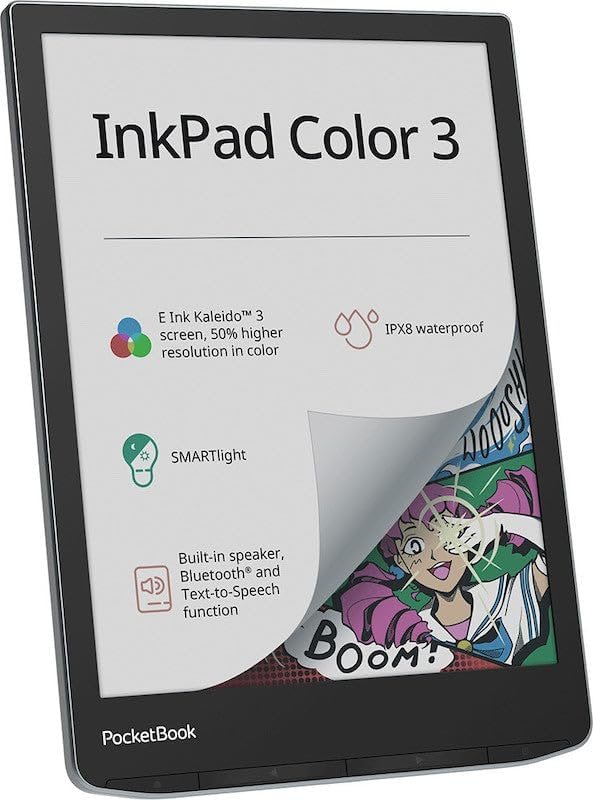
The PocketBook InkPad Color 3 features a 7.8-inch display, significantly larger than typical seven-inch E-readers. This size difference dramatically affects comic book and magazine reading. Larger panels display without zooming. Text remains readable at normal zoom levels. Two-page spreads in comics show more context simultaneously.
Format support distinguishes PocketBook from Kindle substantially. PocketBook devices support over 20 file formats including EPUB, PDF, MOBI, and various image formats natively. This universal compatibility eliminates conversion tools for most users. Kindle’s limited format support requires conversion for many sources.
The PocketBook approach embraces versatility over ecosystem integration. No proprietary bookstore locks users into a platform. Purchase from any retailer supporting standard formats. Borrow library books through Adobe DRM support built into the device. Transfer personal documents and scanned books without cloud service requirements.
Physical design considerations include weight and handling comfort. The 7.8-inch screen increases device dimensions and weight compared to smaller E-readers. This affects extended one-handed reading. Some users prefer the increased screen real estate despite added weight. Others prioritize portability and lightweight handling.
Button configuration differs with PocketBook including page turn buttons for navigation alternatives. The larger screen makes one-handed touchscreen navigation more challenging, making physical buttons more valuable. Consider personal preferences for screen size versus handling convenience.
Software interface complexity varies between simple Kindle systems and PocketBook’s comprehensive settings. PocketBook allows detailed customization including custom dictionaries, alternative reading apps, and advanced formatting controls. This flexibility appeals to power users but may overwhelm users wanting simple reading experiences.
Cloud service integration leans heavily toward Amazon’s ecosystem for Kindle versus PocketBook’s device-storage focus. Kindle users appreciate automatic content synchronization and cloud backup. PocketBook users manage local storage more actively but gain independence from platform requirements.
See price for Kindle Colorsoft on Amazon
See price for PocketBook InkPad Color 3 on Amazon
Kindle Colorsoft vs. BOOX Tab Mini C: Device Category Differences
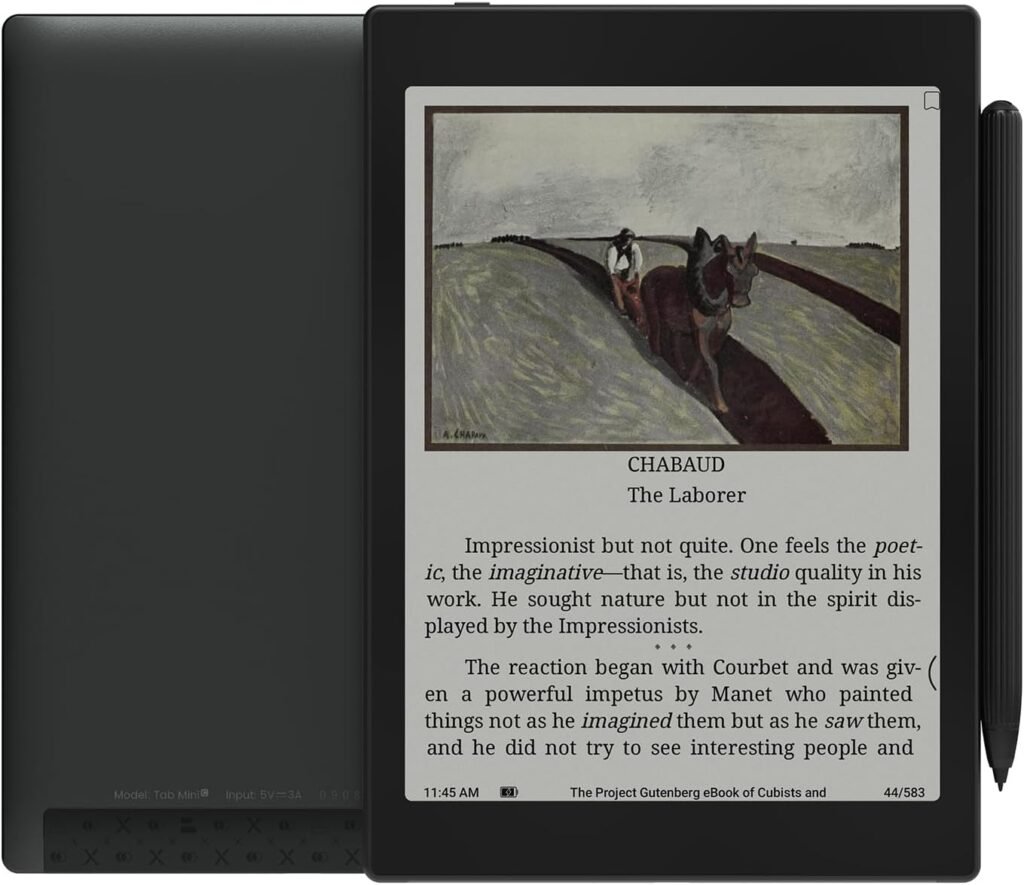
The BOOX Tab Mini C occupies a different category despite similar E-ink color display technology. The Android-based operating system transforms this from a dedicated E-reader into a multipurpose tablet. This fundamental difference affects every aspect of usage, capability, and complexity.
Android access enables installing third-party applications including alternative reading apps, note-taking software, productivity tools, and web browsers. Users can install Kindle, Kobo, Google Play Books, and library apps simultaneously. This eliminates ecosystem lock-in but introduces complexity and potential distractions.
Note-taking capabilities with stylus support position BOOX devices as digital notebook alternatives. Handwriting recognition converts notes to text. PDF annotation allows marking up documents with pen-like precision. Students and professionals who annotate heavily find this functionality essential. Pure reading users may find these features unnecessary.
The 7.8-inch display size matches PocketBook InkPad Color 3, providing spacious reading area for comics and documents. Combined with Android flexibility, users can install comic reading apps like ComiXology, Crunchyroll, or specialized readers with features dedicated E-readers lack.
Performance expectations differ significantly between single-purpose E-readers and Android tablets. The BOOX device runs full Android applications requiring processor power and RAM typically unnecessary for reading. Page turns remain E-ink slow, but application switching and interface navigation involve Android overhead.
Battery life suffers compared to dedicated E-readers. Android background processes, app notifications, and system overhead consume power unavailable for reading time. Users must manage applications and settings more actively to achieve acceptable battery life. Dedicated E-readers like Kindle optimize everything for extended battery life.
Complexity presents both advantage and challenge. Users wanting maximum flexibility appreciate open Android access. Those preferring simple dedicated reading experiences find Android systems overwhelming. Consider whether additional capabilities justify increased complexity.
Price positioning places BOOX devices in premium territory, typically exceeding dedicated E-reader costs. Evaluate whether note-taking features, Android flexibility, and app installation capabilities justify the investment over simpler color E-readers.
See price for Kindle Colorsoft on Amazon
See price for BOOX Tab Mini C on Amazon
What to Compare Before You Decide
Screen size versus portability creates the first major decision point. Seven-inch displays balance readability with pocket-friendly portability. 7.8-inch screens improve comic and magazine reading but increase device dimensions. Consider where you typically read and whether you prioritize portability or screen real estate.
Ecosystem commitment determines long-term satisfaction. Amazon’s Kindle ecosystem provides vast content selection, frequent sales, and seamless synchronization at the cost of platform lock-in. Open systems like Kobo and PocketBook offer flexibility to purchase from multiple retailers. Android-based BOOX devices eliminate ecosystem restrictions entirely.
Color vibrancy expectations should be calibrated against E-ink limitations. Color E-ink displays reproduce subdued, paper-like colors fundamentally different from tablet screens. View color E-ink displays in person before purchasing if possible. User reviews and video demonstrations provide insights but don’t fully convey the visual experience.
Refresh rate tolerance varies individually. Some users adapt quickly to E-ink page turns while others find the lag frustrating. Comic readers accustomed to tablet displays notice the difference most acutely. Consider your sensitivity to display refresh delays based on previous E-reader experiences.
Note-taking requirements determine whether stylus support matters. Pure reading users need only highlighting and typed notes. Students and professionals annotating PDFs or textbooks heavily should prioritize stylus-enabled devices. Evaluate your actual annotation habits rather than anticipated future needs.
Format compatibility affects content source flexibility. Native EPUB support allows purchasing from any retailer. Kindle’s proprietary formats require conversion tools for non-Amazon content. Consider whether you already own ebooks in specific formats or prefer buying from multiple sources.
Physical button preferences matter for some users. Page turn buttons enable one-handed reading and avoid accidental screen touches. Touchscreen-only devices offer cleaner designs and larger screen-to-body ratios. Test both interfaces if possible to determine personal preference.
Library borrowing frequency influences ecosystem choice. Kobo’s integrated OverDrive support streamlines library books. Kindle requires the Libby app workflow. BOOX devices install library apps directly. Heavy library borrowers should prioritize seamless integration.
Budget constraints guide device selection within color E-reader categories. Standard Kindles cost substantially less for text-only reading. Premium features like wireless charging, auto-adjusting light, and larger storage add cost. Evaluate which features you’ll actually use regularly versus occasional conveniences.
Tips and Best Practices for Color E-Readers
Optimize display settings for different content types. Color comics and magazines may benefit from different refresh modes than black-and-white text. Explore device settings to understand available display options. Most color E-readers offer quality versus speed trade-offs in refresh settings.
Manage storage proactively when building comic collections. Color images consume significantly more space than text-based ebooks. Delete finished series to maintain available storage. Cloud-based solutions allow re-downloading purchased content when needed without permanent storage commitment.
Adjust front light settings throughout the day for optimal comfort. Higher brightness and cooler color temperatures suit daylight reading. Lower brightness with warm light reduces eye strain during evening sessions. Auto-adjusting features provide starting points but manual adjustment often improves personal comfort.
Organize collections and shelves for easy content discovery. Large libraries become unmanageable without organization. Create collections for different genres, series, or reading projects. Most E-readers support multiple organizational schemes simultaneously.
Utilize dictionary and translation features built into E-readers. Long-press unfamiliar words for definitions, translations, and Wikipedia summaries. These features enhance learning and reduce friction when encountering new vocabulary.
Protect devices with cases designed for specific models. E-ink screens, while less fragile than smartphone glass, still crack from impacts. Quality cases provide protection without adding excessive bulk. Consider auto-wake/sleep features in smart cases for added convenience.
Calibrate expectations for color reproduction realistically. E-ink color technology prioritizes eye comfort over vibrant saturation. Viewing sample pages and understanding technology limitations prevents disappointment. The technology suits extended reading sessions rather than matching tablet displays.
Experiment with font choices and sizing for optimal readability. E-readers support multiple fonts and detailed size adjustments. Comic readers may prefer enabling panel zoom features. Magazine readers might adjust column layouts. Personal preferences vary significantly.
Maintain realistic battery expectations based on usage patterns. Wireless connections drain batteries faster than airplane mode. Color content consumes more power than black-and-white text. Front light usage significantly impacts battery life. Understanding these variables helps manage charging schedules.
Frequently Asked Questions
Is the Kindle Colorsoft worth it for reading regular novels?
For text-based novels without color elements, the Colorsoft offers minimal advantage over standard Kindles. The color display shows black-and-white text identically to traditional E-ink screens. The premium price primarily buys color capabilities for comics, magazines, and illustrated books. Novel readers benefit from Signature Edition features like wireless charging and auto-adjusting light but can access these features in the black-and-white Kindle Paperwhite Signature Edition at lower cost. Evaluate whether you regularly read color content to justify the investment.
How does color E-ink compare to reading comics on an iPad or tablet?
Color E-ink displays provide less vibrant colors and slower page turns compared to tablets. The trade-off gains eye comfort during extended reading, superior outdoor readability, and dramatically longer battery life. Tablet displays excel for short reading sessions and browsing but cause more eye strain during multi-hour comic marathons. Personal priorities between visual vibrancy and reading comfort determine preference. Many users maintain both devices for different scenarios.
Can you read library books on the Kindle Colorsoft?
Yes, library books work on Kindles through the Libby app workflow. Search for titles in Libby on your phone or computer, then deliver them to your Kindle device. The process adds steps compared to Kobo’s integrated OverDrive support but functions reliably. Library availability varies by location and institution. Verify your local library supports Kindle lending before purchasing if library borrowing represents significant reading volume.
Does the Kindle Colorsoft support PDF files?
Kindles support PDF files but the experience varies by document type. Native PDF support displays files without conversion. However, Kindle’s PDF handling lacks advanced features like smooth zooming and reflow capabilities found in dedicated PDF readers. Technical documents and textbooks in PDF format often work better on larger displays or devices with superior PDF optimization. Convert PDFs to Kindle format for better integration though this sometimes affects formatting.
How long does the battery last with color content?
Battery life depends heavily on usage patterns. Amazon typically provides estimates based on specific scenarios like 30 minutes daily reading with wireless off and light at setting 13. Real-world battery life varies. Color content drains batteries faster than black-and-white text. Wireless connections, high brightness settings, and frequent page turns reduce battery life. Expect days or weeks between charges for moderate use, but heavy daily use may require more frequent charging. Actual performance should be verified through user reviews reflecting usage patterns similar to yours.
Is the screen size big enough for manga and comics?
Screen size adequacy depends on comic format and personal preferences. Seven-inch displays accommodate most standard comic panels without zooming. Double-page spreads often require zooming or portrait orientation for readability. Manga with smaller panels and text may challenge readers preferring larger displays. The 7.8-inch alternatives provide more comfortable experiences for detailed artwork. Consider the specific comic formats you read most frequently when evaluating screen size requirements.
Can you share books between family members?
Amazon’s Family Library feature allows sharing purchased ebooks between adult accounts in the same household. Setup requires linking accounts and configuring family sharing settings. Each family member maintains separate reading progress and personal collections while accessing shared purchased content. Restrictions apply to certain publishers and content types. Library books typically cannot be shared beyond individual accounts. Review Amazon’s current Family Library policies for complete details as features evolve.
Does wireless charging work with any Qi charger?
Compatibility details for wireless charging should be verified on the official product page. Some devices require specific charging pads while others support standard Qi wireless charging protocols. Charging speed varies between different pad models and wattages. Third-party charging pads may function but could charge slower than recommended accessories. Official Amazon charging accessories guarantee compatibility though generic options often work acceptably.
How much storage do you need for comics?
Storage requirements depend on comic file sizes and collection goals. Single comic issues typically range from 50-200MB each depending on page count and image quality. Graphic novels may exceed 500MB. A device with 32GB storage accommodates roughly 150-600 comic issues depending on average file size. Users who download entire series should consider maximum storage options. Cloud storage allows deleting and re-downloading, reducing local storage requirements for rotating reading lists.
Can you adjust the color intensity or saturation?
Color adjustment options vary by device and should be verified in product specifications. Some E-readers offer color calibration while others provide fixed color reproduction. The inherent characteristics of color E-ink technology limit adjustment range compared to LCD displays. User reviews often mention color adjustment capabilities when available. Understanding available controls helps set appropriate expectations for personalization options.
Final Verdict: Choosing Your Color E-Reader Path
The Kindle Colorsoft Signature Edition succeeds as Amazon’s entry into color E-readers for users already invested in the Kindle ecosystem. The device delivers color capabilities for comics, magazines, and illustrated books while maintaining E-ink’s reading comfort advantages. Signature Edition features add convenience through wireless charging and auto-adjusting light.
However, the device’s value proposition depends entirely on individual reading habits and priorities. Comic readers and magazine subscribers who consume color content regularly find immediate benefits. Novel readers see minimal advantage over less expensive standard Kindles. The ecosystem lock-in and format limitations that characterize all Kindles continue with the Colorsoft.
Competitors offer compelling alternatives depending on priorities. Kobo Libra Colour provides ecosystem flexibility with native EPUB support and library integration. PocketBook InkPad Color 3 offers larger screen and universal format support. BOOX Tab Mini C delivers Android flexibility and stylus note-taking for users wanting multipurpose devices.
The color E-ink technology itself represents early adoption phase. Current implementations provide paper-like colors and relatively slow refresh rates compared to tablets. Future generations will likely improve both characteristics. Users comfortable with current technology limitations find genuine value. Those expecting tablet-like color vibrancy face disappointment.
Make your decision based on honest assessment of reading habits, content types, ecosystem preferences, and budget constraints. The Kindle Colorsoft serves specific use cases excellently while remaining unnecessary for many readers. Verify all specifications, read recent user reviews, and understand technology limitations before purchasing.
Related Products and Alternatives
Beyond the devices discussed in detailed comparisons, several alternatives deserve consideration depending on specific needs:
Standard Kindle Paperwhite provides excellent black-and-white reading at significantly lower cost. Users who primarily read novels save money without sacrificing reading experience for text content.
Kindle Scribe adds large-format display and stylus support for note-taking. Users who annotate extensively should compare note-taking focused devices against color reading capabilities.
Kobo Elipsa 2E offers large 10.3-inch screen with stylus support. Professional users needing PDF annotation combined with reading may prefer this category.
BOOX Note Air series provides larger Android tablets for users prioritizing note-taking and document annotation over portable reading.
ReMarkable tablets focus exclusively on writing and note-taking with paper-like experience. Users seeking digital notebook alternatives without reading distractions should explore this category.
Evaluate specific requirements against device capabilities rather than defaulting to newest technology. The best E-reader matches actual usage patterns rather than providing maximum features.
Affiliate Disclosure
As an Amazon Associate I earn from qualifying purchases. Some links may be affiliate links.
Transparency Note
Information is compiled from publicly available sources and may change over time. Always verify details on the official listing before making a purchase decision. Specifications, features, and pricing fluctuate as manufacturers release updates and retailers adjust offerings. This review reflects information available as of the publication date.
The color E-ink category continues evolving rapidly. New devices launch regularly with improved technology. Consider whether current technology meets your needs or whether waiting for next-generation displays makes sense for your timeline and budget.
Your reading habits ultimately determine device value. Honest assessment of content types, reading frequency, ecosystem preferences, and budget constraints guides better decisions than feature lists or specifications alone. Choose the device serving your actual usage patterns rather than aspirational reading goals.
Kindle Colorsoft Signature Edition – See on Amazon